Portable & Metal Buildings: Types, Prices, Uses & Buying Guide
If you’re shopping for a portable or metal building, you don’t need more options. You need clarity. This guide breaks down the types, pricing factors, best use cases, permits, delivery, and installation—so you can buy once and buy right.
Choose the right type – shed, workshop, garage, barn & more
Understand pricing – what affects cost (and what doesn’t)
Avoid mistakes – permits, site prep, delivery access
Quick tip: Before you shop, measure your site, check access for delivery, and confirm local permit rules. Those 3 steps prevent most “surprise costs.”
Do you have a question about portable or metal buildings? Send us the question. We'll send you our best answer!
Types of Portable & Metal Buildings
Start here. The “best” building depends on what you’re storing, whether you’ll work inside it, and your local weather.
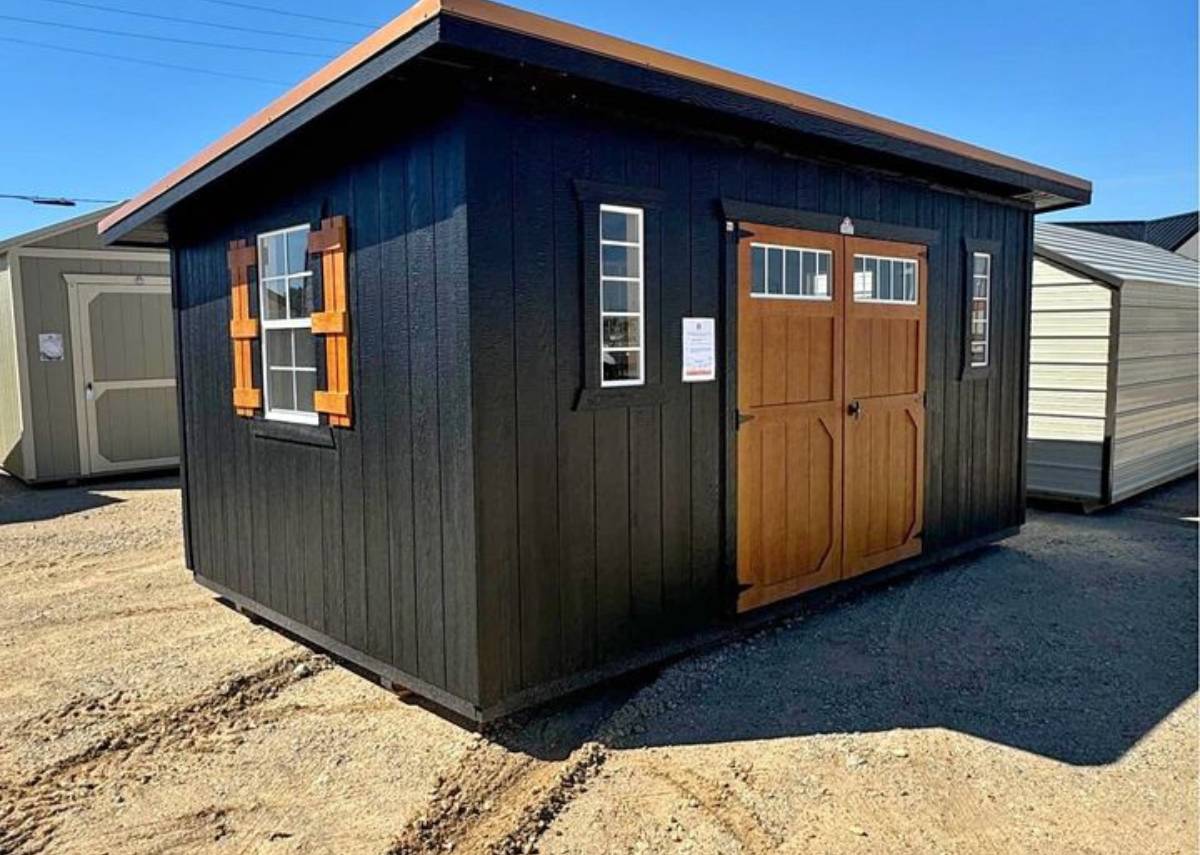
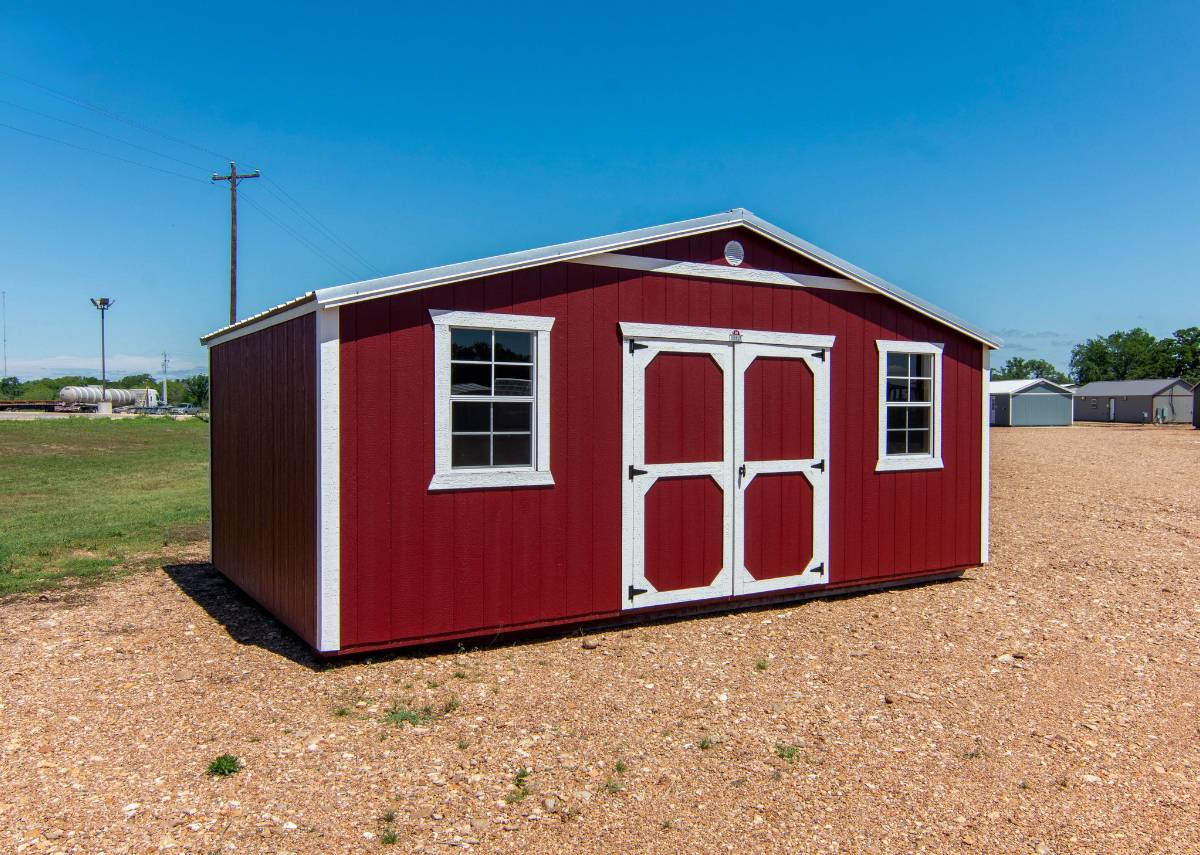
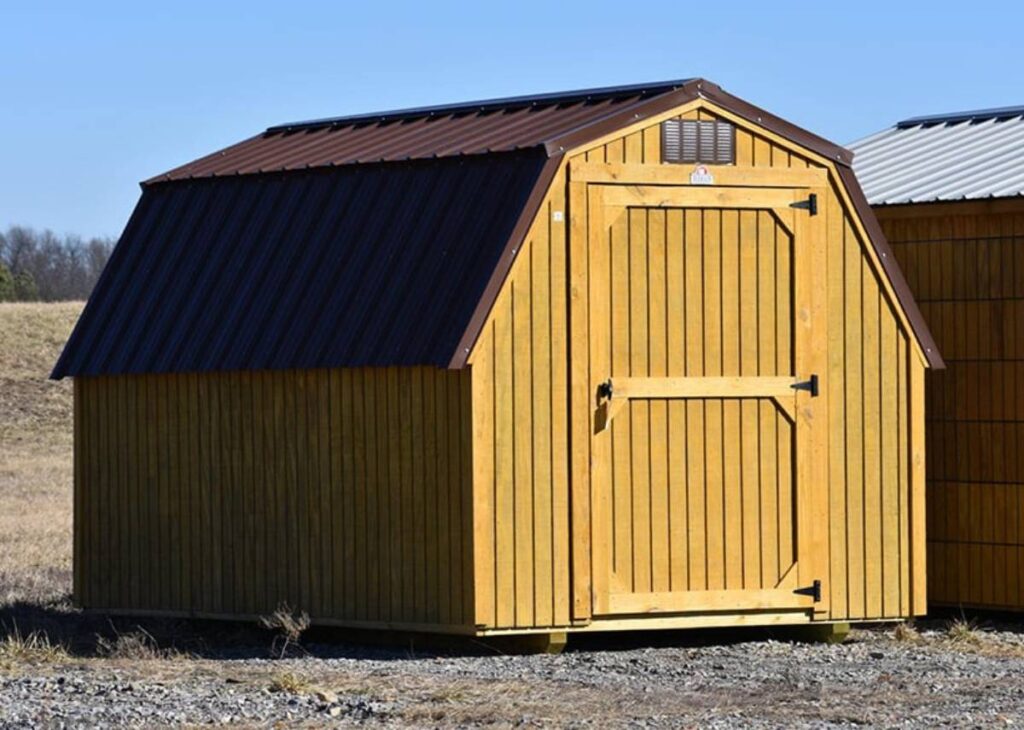
Portable Buildings (Sheds/Studios)
Great for quick delivery and flexible placement
Ideal for storage, small workshops, and hobby spaces
Often simpler site prep than larger builds
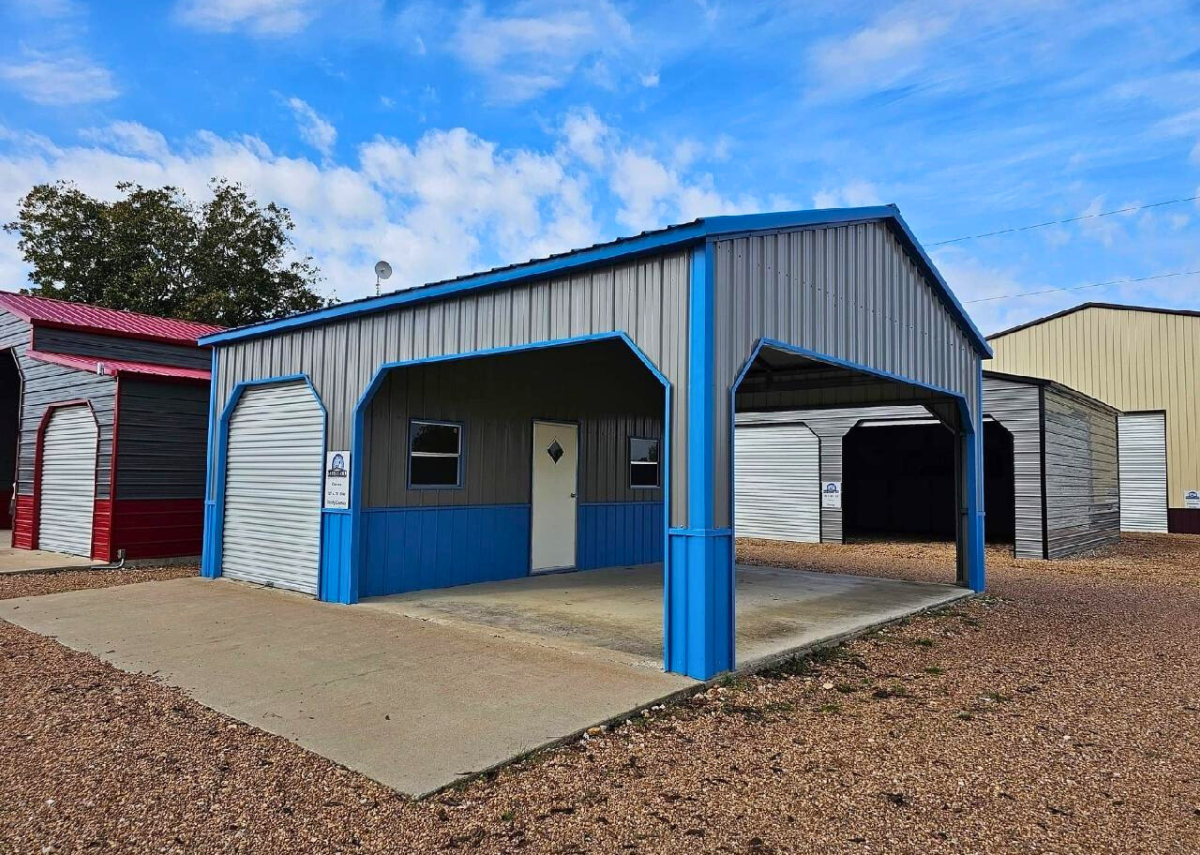
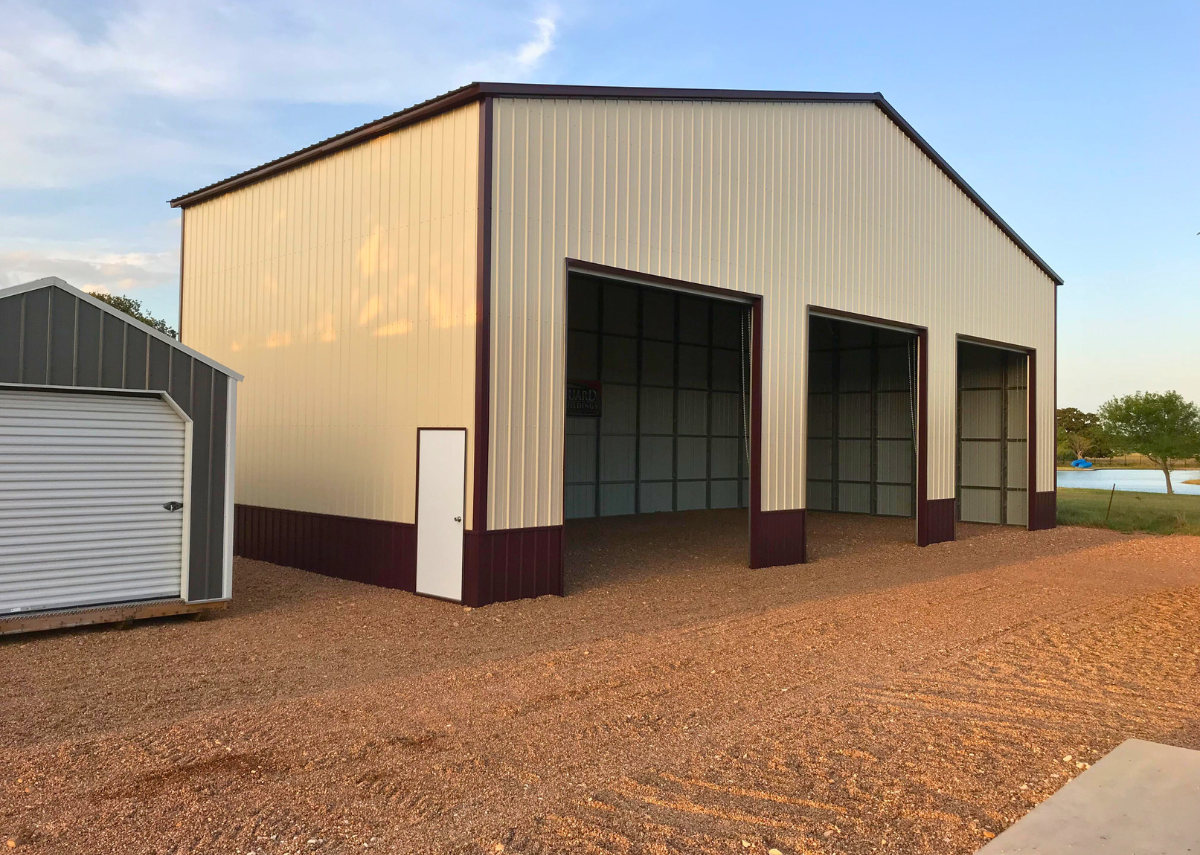
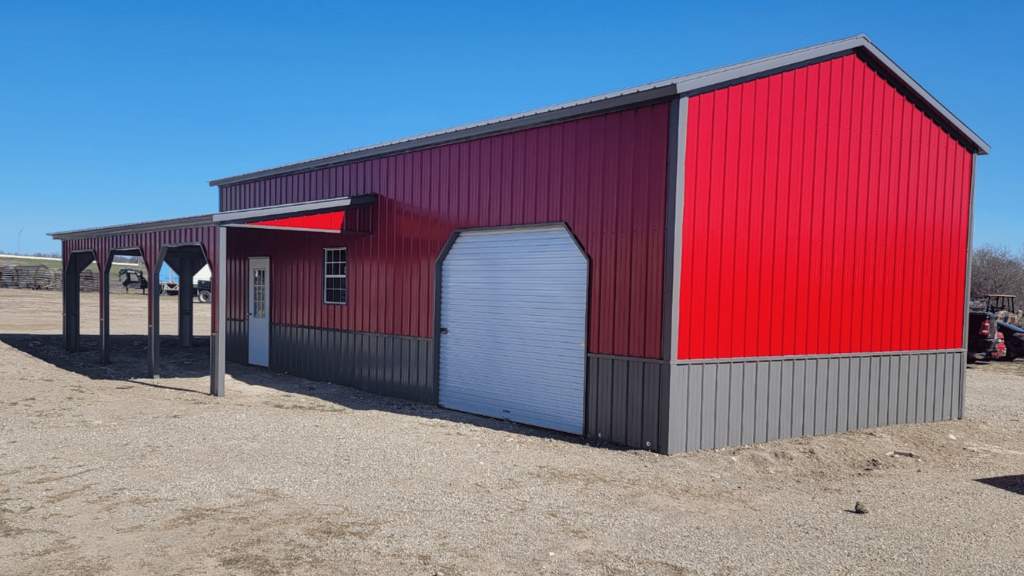
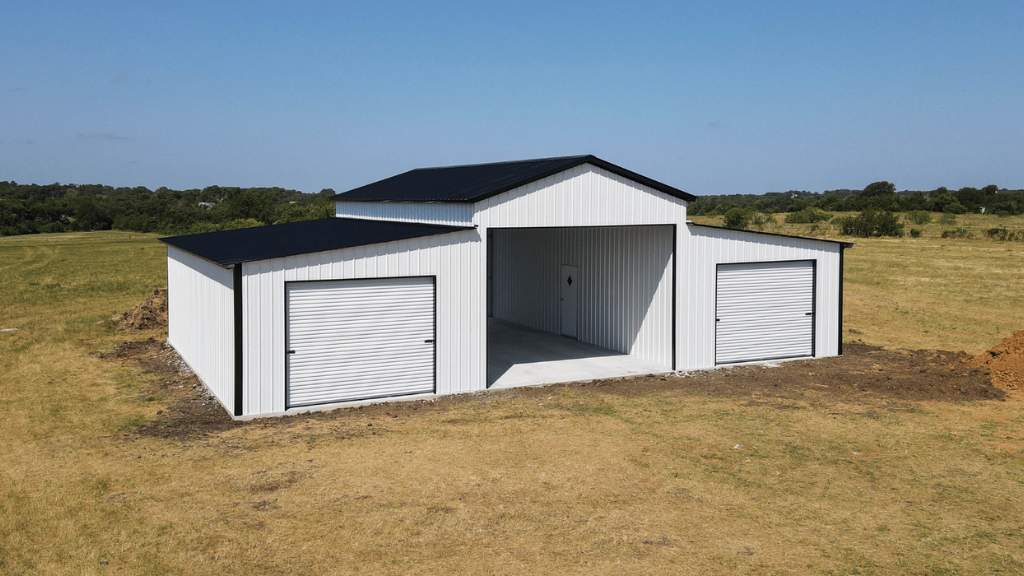
Metal Buildings (Steel Structures)
Strong, durable, and great for long-term use
Common for garages, workshops, equipment storage
Options for roof styles, gauges, and finishes
If you’re trying to decide between a portable building and a metal building, this comparison breaks down the pros, cons, costs, and best uses for each option.
Farm: Feed storage, tack rooms, equipment and supplies
Commercial: Jobsite storage, overflow inventory, small operations
Delivery, Permits & Installation (Avoid the Big Mistakes)
Most “bad experiences” happen because of site issues—not the building itself. Handle these steps early.
Permits
Check local rules based on size and intended use
Ask about setbacks, anchors, wind ratings, and utilities
HOAs can have additional restrictions
Site Prep
Confirm level ground + drainage
Choose a base: gravel, slab, blocks/piers (depends on building + soil)
Ensure access for delivery (turning radius, gates, overhead clearance)
Installation
Plan ventilation to reduce moisture buildup
Confirm anchoring requirements for your area
Decide now if you’ll add power, lighting, or insulation later
FAQs about Portable Storage and Metal Buldings at Tiny Hive
What size building should I buy?
What size building should I buy?
Start with what you’re storing today, then add 20–30% extra space to avoid outgrowing it. If you’ll use it as a workshop, plan space for walking and workbenches too.
Can I finance a portable or metal building?
Yes. Both Derksen Portable Buildings and Safeguard Metal Buildings offer rent-to-own.